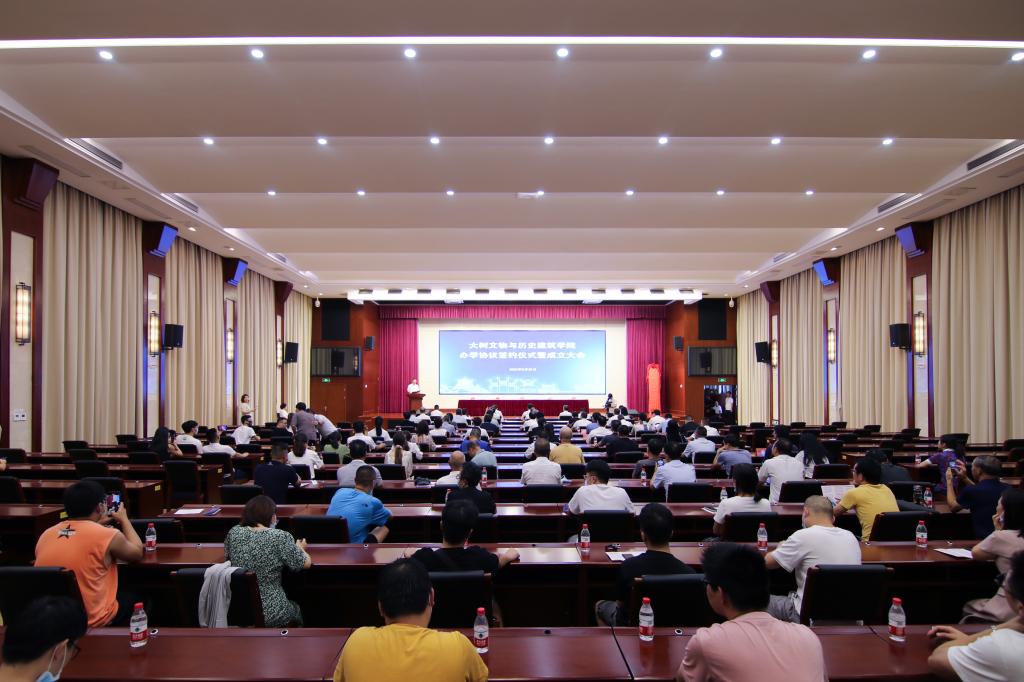
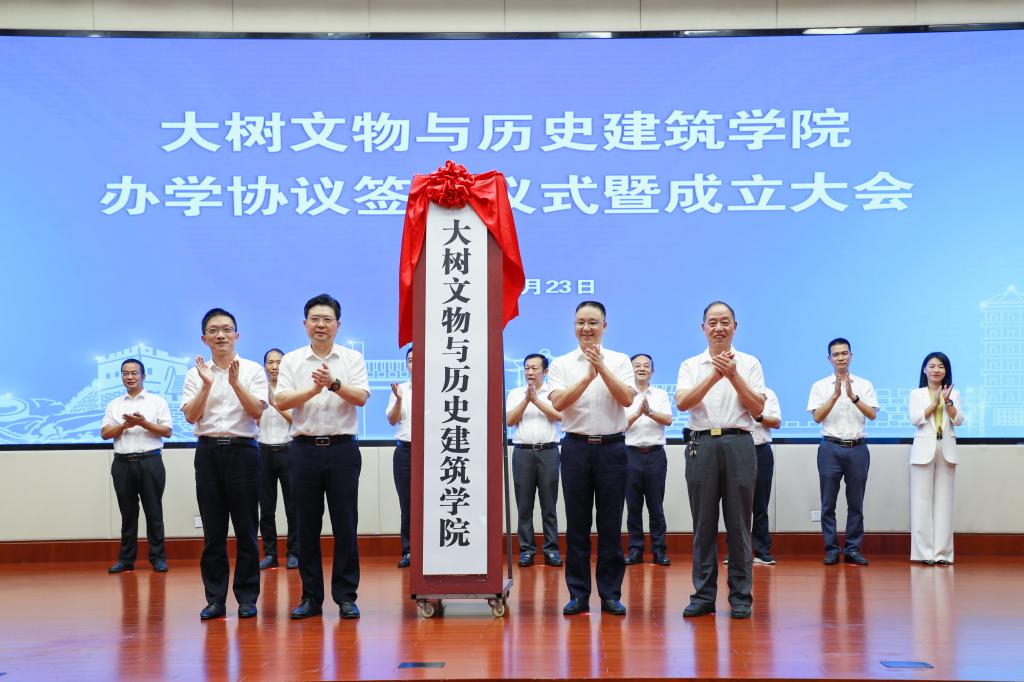
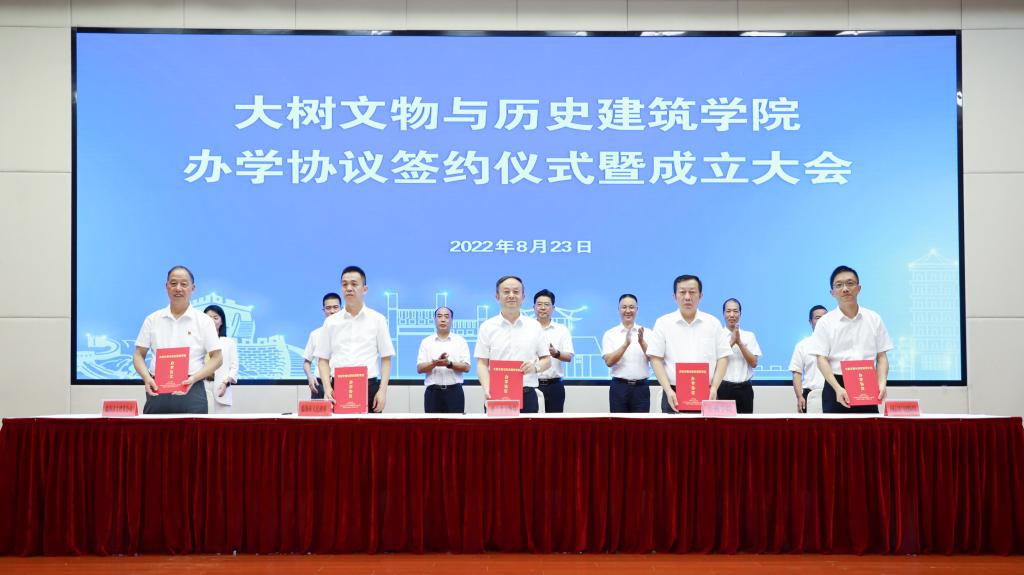
On the afternoon of August 23, the school-running agreement signing and founding ceremony of Dashu Cultural Relics and Historical Architecture College was held. Cui Fengjun, Secretary of the CPC Committee of Taizhou University, Wu Huading, Secretary of the CPC Committee of Linhai City, Cai Wenfu, director of Taizhou Culture, Radio, Television, Tourism and Sports Bureau, and Huang Dashu, chairman of Linhai Ancient Architecture Engineering Co., Ltd. jointly inaugurated the College. Zheng Jianhua, deputy director of Zhejiang Provincial Cultural Heritage Bureau, Le Chuanyong, President of Taizhou University, Cai Jianjun, mayor of Linhai City, Cai Wenfu and Huang Dashu jointly signed the school-running agreement.
Li Junmin, member of the CPC Committee and vice president of Taizhou University, presided over the ceremony. Leaders of Linhai City, including Zhang Zhaojin, Jiang Feng, Gao Zuoming and Lin Min, attended the ceremony.
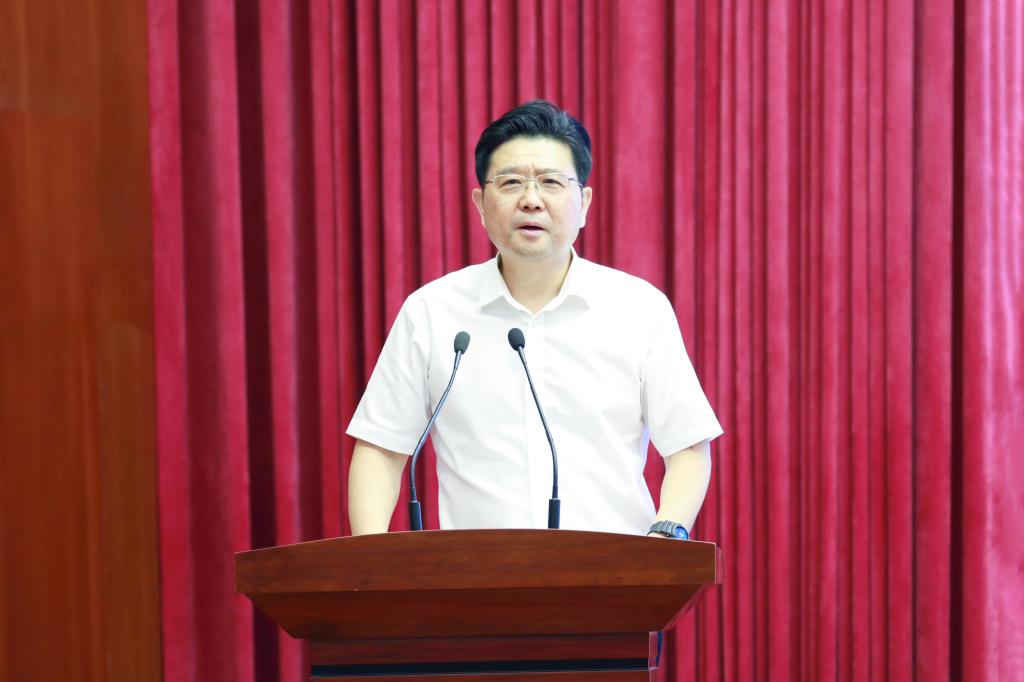
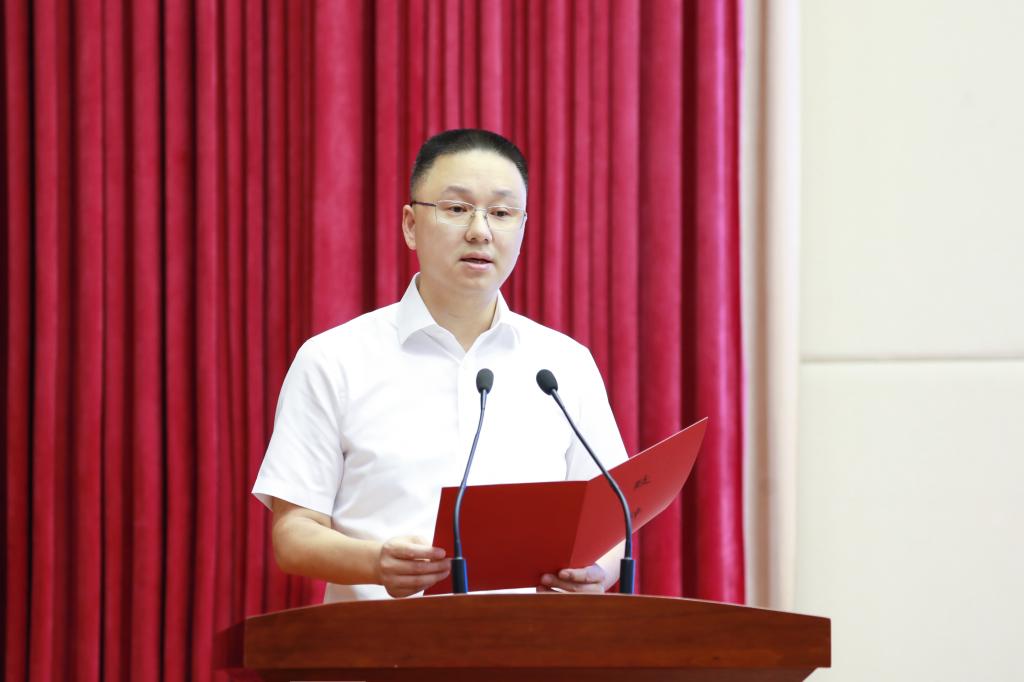
Cui Fengjun said in his speech that it is the bounden duty of universities to inherit and carry forward Chinese traditional culture and ancient buildings. The establishment of Dashu Cultural Relics and Historical Architecture College is a bold exploration of the teaching industry college, an innovative reform to deepen the integration of industry and education and promote the construction of a first-class application-oriented university. It is also the mission of the university to actively serve the local needs and promote the construction of the "three communities". It will certainly become a new growth point of TU's talent training and service to the local. He hoped that all relevant departments of the University would establish a strong sense of "ownership", define responsibilities, and go all out to jointly promote the implementation of various tasks. We should maintain the spirit of "daring to break the skylight", continue to optimize the mode of running schools, and comprehensively improve the ability of training talents and serving the regional economic and social development. It is necessary to further strengthen the communication and coordination with Linhai municipal CPC Committee, municipal government and relevant departments, promote the sharing of information, technology and resources, and work together to build Dashu Cultural Relics and Historical Architecture College into an academic highland for the protection of ancient buildings and cultural relics, so as to better promote the inheritance and development of ancient buildings.
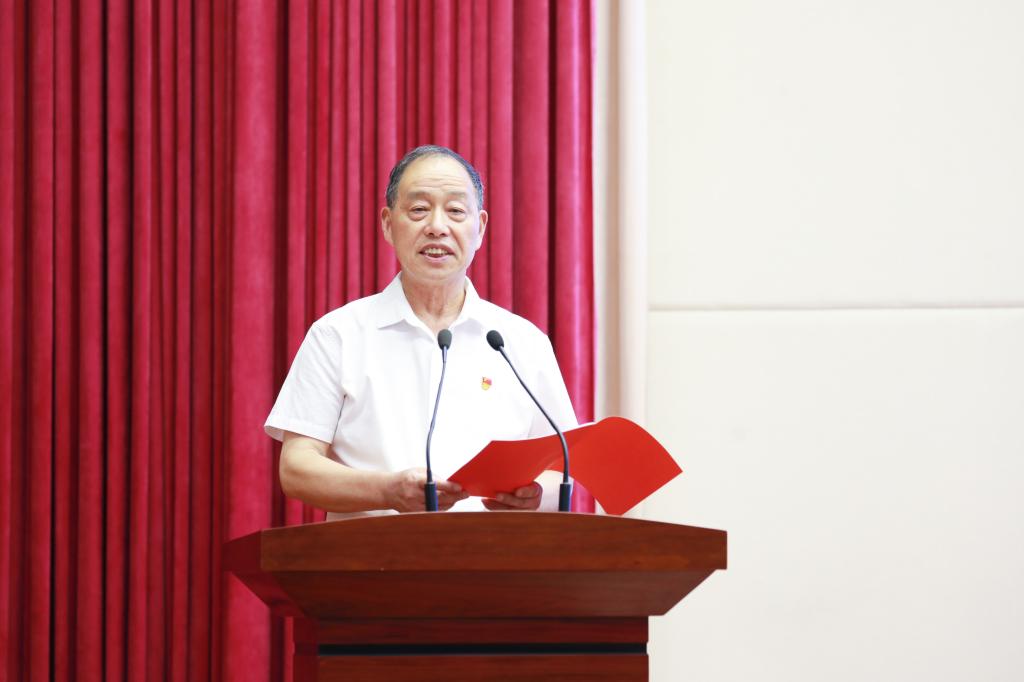
"We sincerely hope that all of you will take this school-running cooperation as a new starting point to continuously improve the level of protection, inheritance, activation and utilization of cultural relics and ancient buildings, so that a memory of the city will be retained and this city with a thousand years of history will be more glorious and attractive." In his speech, Wu Huading said that history and culture are the soul of a city. Linhai municipal CPC Committee and government have always attached great importance to the protection and inheritance of history and culture, and the work of cultural relics protection has been fruitful. This joint construction of Dashu Cultural Relics and Historical Architecture College is another fruitful cooperation between Linhai City and Taizhou University after the International Nursing College, which will surely provide strong intellectual support and talent guarantee for the construction of "famous historical city" in Linhai. We hope that everyone will, as always, care for and support Linhai, more actively publicize and promote Linhai, jointly build a historical city, share a charming culture, and work together to create a more brilliant future for Linhai.
Huang Dashu said in his speech that Linhai is the main battlefield for the Cultural Relics and Historical Architecture College, and the highland for inheriting architectural history and culture. As the inheritor of Linhai ancient architecture culture, he will keep in mind the original intention and task of education of cultivating people with virtue, educating people for the party and cultivating talents for the country, strive to build a "double qualified" teacher team with excellent skills and combination of full-time and part-time work, cultivate a number of composite, applied and high-level "masters" of ancient architecture and cultural relics protection for the society, and make greater contributions to the protection and inheritance of Chinese ancient architecture and cultural heritage.
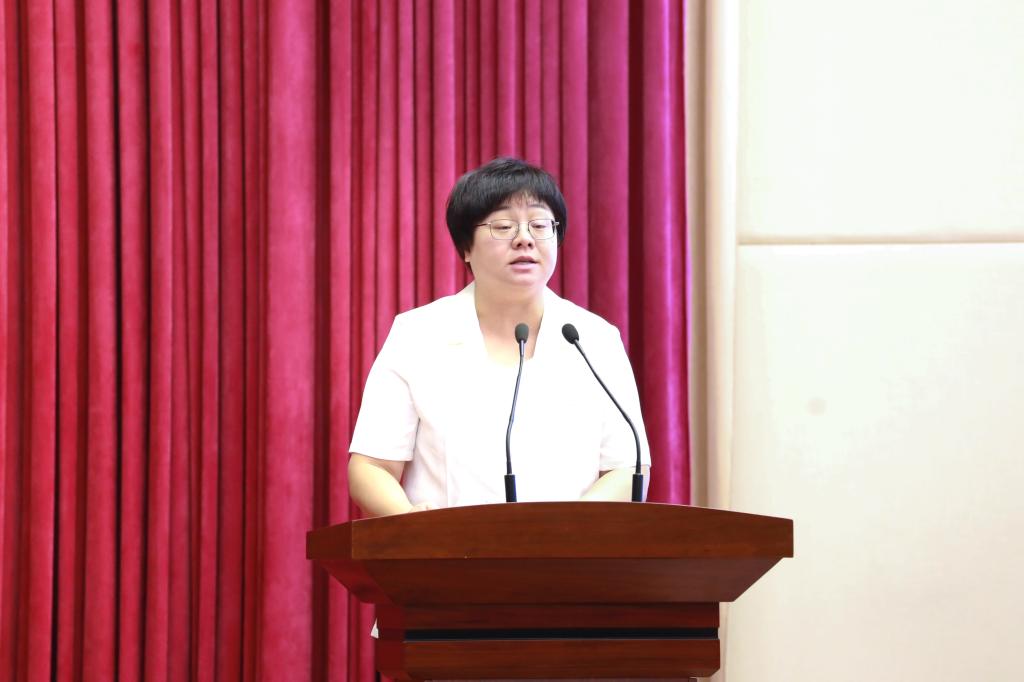
At the meeting, Cai Wenfu and Qian Yihan, the student representative of the first cultural relics and historical architecture class, spoke respectively. Li Junmin read out the establishment and appointment documents of Dashu Cultural Relics and Historical Architecture College.
It is reported that Dashu Cultural Relics and Historical Architecture College is a new industrial college focusing on personnel training, witnessed by Zhejiang Provincial Cultural Heritage Bureau, and jointly established by Taizhou University and Linhai Municipal People's government, Taizhou Culture, Radio, Television, Tourism and Sports Bureau (Cultural Heritage Bureau), and Linhai Ancient Architectural Engineering Co., Ltd. The College is oriented to full-time undergraduates, and trains professionals with high architectural professional quality and special protection skills based on the basic theories and skills of architecture, who systematically master the theories, methods and technologies of the protection and regeneration of cultural relics, historical buildings and historical environment, and focus on cultivating professionals with Chinese traditional cultural heritage, repair and management knowledge and antique architectural design ability. At the same time, continuing education shall be carried out for on-the-job ancient building construction personnel and grass-roots cultural relics and historical building management personnel to improve their theoretical basis of cultural relics and historical buildings, so that they can systematically master the theories, methods and technologies of the protection and regeneration of cultural relics, historical buildings and historical environment, and become professionals with high architectural professional quality and ancient building protection skills.