Seminar on Taizhou University Hehe Culture Research Institute development was held on December 2 at the Jiaojiang Campus to strengthen the university’s research capacity in Hehe (harmony and union) culture and promote the high-quality development of the institute in the new era. Attendees included Zhu Jian, Secretary of Taizhou University Party Committee and Director of Taizhou University Hehe Culture Research Institute; Peng Yongjie, Professor at Renmin University of China and Chair of the institute’s Academic Committee; Fang Guogen, former Director of the Philosophy Editorial Office at People’s Publishing House and Special Researcher at the institute; Liang Lixin, former Deputy Director of the Culture, History, and Learning Committee of the Taizhou Municipal Committee of the Chinese People’s Political Consultative Conference; Cai Haijiang, Member of the University Party Committee and Director of the Publicities Department; and Zheng Lijun, Member of the University Party Committee and Director of the Personnel Department. The seminar was chaired by Li Jianjun, Vice President, Member of the University Party Committee, and Executive Deputy Director of the institute.
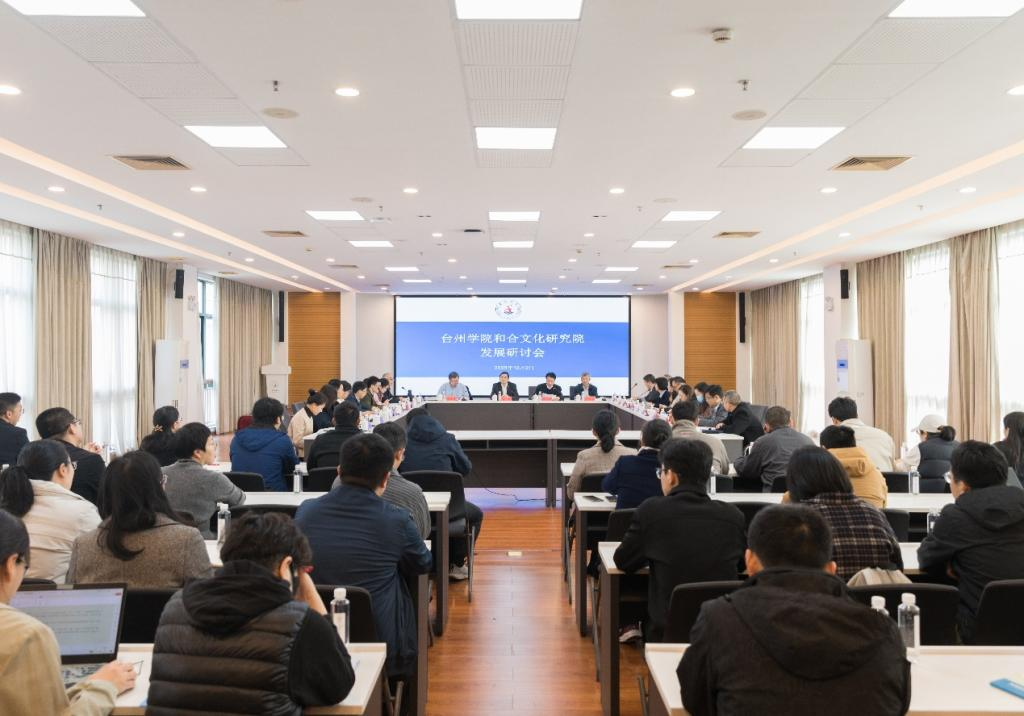
Conference Venue
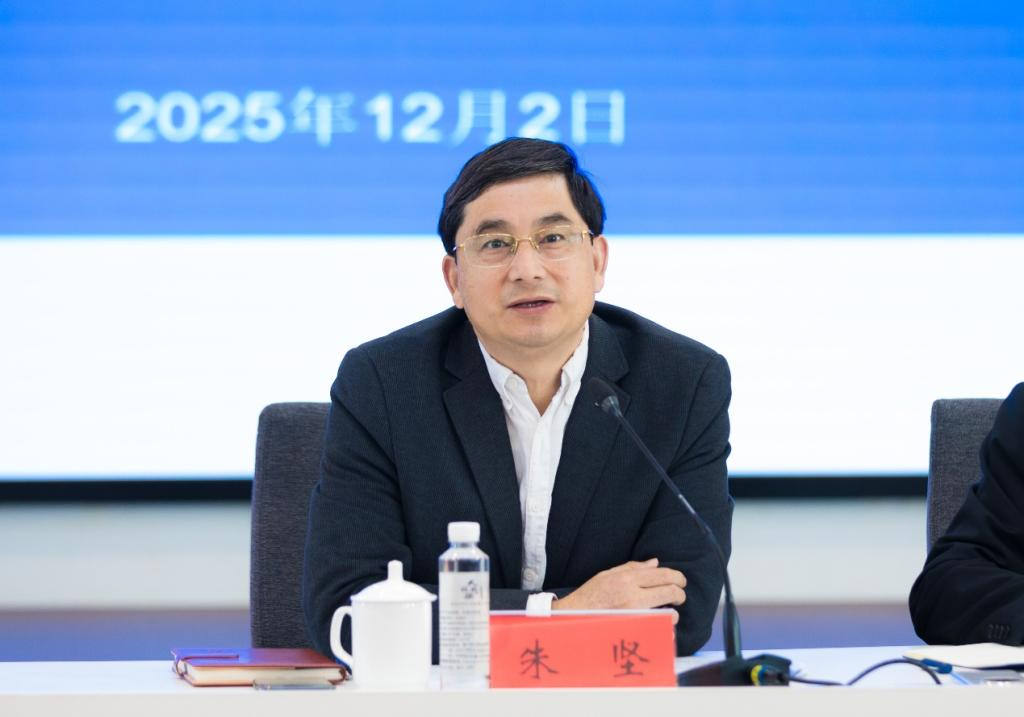
Zhu Jian Delivers a Speech
In his keynote speech, “Upholding Integrity and Innovating: Polishing the Cultural Brand of the Land of Harmony,” Zhu Jian noted that the seminar was convened to assess the current situation, build consensus, and advance the institute’s development to a new level. He emphasized three priorities:
First, the institute should take a higher-level perspective and clearly grasp its historical positioning and guiding principles by conducting in-depth research on the historical heritage and contemporary value of Hehe culture. It should become a key cultural and intellectual bridge linking history and the future, theory and practice, and China and the world.
Second, the institute should focus on its mission and enhance academic contributions and social impact by optimizing its organizational framework, integrating resources, deepening theoretical interpretation, promoting practical application and transformation of research achievements, advancing civilizational dialogue, and cultivating talent for the new era.
Third, the university should provide support to stimulate innovation and development momentum. Zhu expressed the hope that, under the new structure, the institute will overcome bottlenecks, enhance the reputation of the “Land of Harmony,” and contribute to the university’s goals of institutional upgrading and doctoral-program development, the building of a culturally strong city, national development, and the construction of a community with a shared future.
At the seminar, Li Jianjun announced several documents, including the “Notice on the Appointment of Heads of Taizhou University Hehe Culture Research Institute (Tiantai Mountain Culture Research Institute),” the “Notice on Further Strengthening the Construction of Taizhou University Hehe Culture Research Institute,” and the “Notice on the Establishment of the Office and Research Units of Taizhou University Hehe Culture Research Institute.”
Li also announced the establishment of eight affiliated research units: Hehe Culture Theory Research Center, International Daoism Research Center, Hehe Ideo-political Education Research Center, Hehe Art Research Center, Eastern Zhejiang Tang Poetry Road Research Institute, Hehe Governance Research Institute, Hehe Culture Communication Research Institute, and Hehe Culture and Tourism Research Institute.
During the seminar, the heads of the eight research units introduced their teams, including staffing, research strengths, and key scientific research goals. Peng Yongjie and Fang Guogen each delivered a special lecture. Peng provided a detailed explanation of what “Hehe” means, discussed innovative approaches to Hehe culture studies, and highlighted common pitfalls to avoid. Fang reflected on the long-standing cooperation between Renmin University of China and Taizhou University Hehe Culture Research Institute, and introduced the background, preparation process, key tasks, and plans for establishing the Hehe Culture Professional Committee of the Chinese Society of Shixue.
Leaders and representatives from Taizhou University Teaching Affairs Office, the Humanities and Social Sciences Office, the Graduate School, the Personnel Office, the Planning and Finance Office, the State Assets and Laboratory Management Office, the International Exchange and Cooperation Office, and the Journal Editorial Department, as well as members of Taizhou University Hehe Culture Research Institute, attended the seminar.