The Zhejiang Zoological Society 2026 Annual Academic Conference was held in Taizhou from August 7 to 8. Hosted by the Zhejiang Zoological Society, the conference was co-organized by the School of Life Sciences of Taizhou University, the Zhejiang Provincial Key Laboratory of Coastal Damaged Ecosystem Restoration, the Taizhou Doctoral Fellowship Association, and the Zhejiang International Science and Technology Cooperation Base for the Development and Utilization of Bio-based Resources.
A total of more than 180 experts, scholars, and faculty and student representatives from universities, research institutions, and key secondary schools within and outside the province attended the conference, including Lin Aifu, President of the Zhejiang Zoological Society and Vice Dean of the School of Life Sciences of Zhejiang University, and Hu Wei, President of Shanghai Ocean University. Le Chuanyong, Deputy Secretary of the CPC Taizhou University Committee and President, met with the experts including Lin Aifu and Hu Wei. Li Jianjun, Vice President and member of the CPC Taizhou University Committee, and Yu Hongbiao, member of the Party Leadership Group and Vice Chairman of the Taizhou Association for Science and Technology, attended the meeting and delivered welcome remarks.
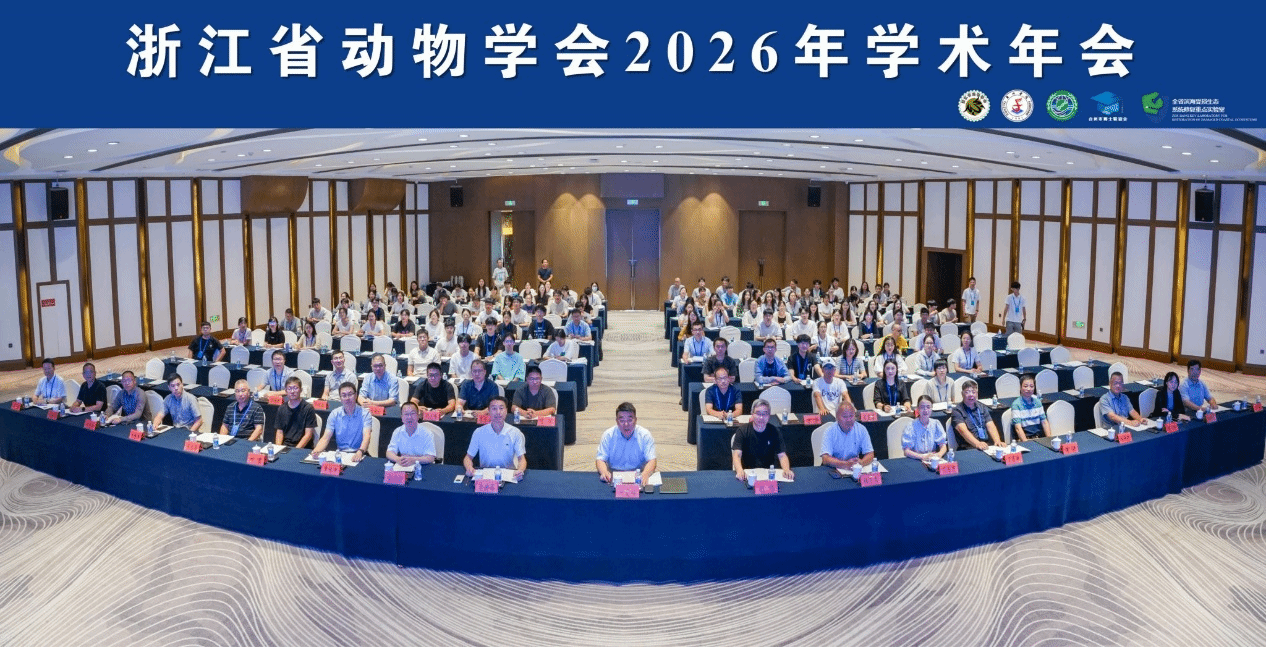
Group photo of the meeting
In his speech, Li Jianjun said that the university would continue to deepen the substantive development of its zoology and ecology disciplines, and expressed the hope that the conference would build broad consensus on collaborative innovation across disciplines, thoroughly transform academic resources and cooperation outcomes, and contribute to the building of an ecological civilization. In his speech, Yu Hongbiao pointed out that Taizhou has a solid industrial foundation, superior natural resource endowments, and continuously improving core competitiveness in scientific and technological innovation. He warmly invited high-level talents to gather in Taizhou, deepen industry-university-research collaboration, give full play to their scientific and innovative expertise, and contribute wisdom and strength to promoting the harmonious coexistence of humanity and nature. Drawing on Zhejiang’s unique resource base, Lin Aifu shared his thoughts on strengthening the foundation of disciplinary development, promoting interdisciplinary integration, and coordinating the layout of high-level academic platforms. It is necessary, he said, to activate the engine of scientific and technological innovation, empower the practice of building a Beautiful China, and fully demonstrate the responsibility and contribution of Zhejiang’s scientific and technological community.
During the keynote session, Professor Hu Wei, Professor Shan Tizhong of Zhejiang University, Researcher Ye Tian of Nankai University, Researcher Lin Weiqiang of Zhejiang University, and Dr. Shi Chengyu of Zhejiang University shared original research findings on frontier topics including the regulatory mechanisms of fish reproduction, the formation mechanisms of snowflake pork quality, the evolution and diversity of aquatic insects, novel molecular mechanisms of vascular calcification, and the construction of a human non-coding RNA micropeptide map.
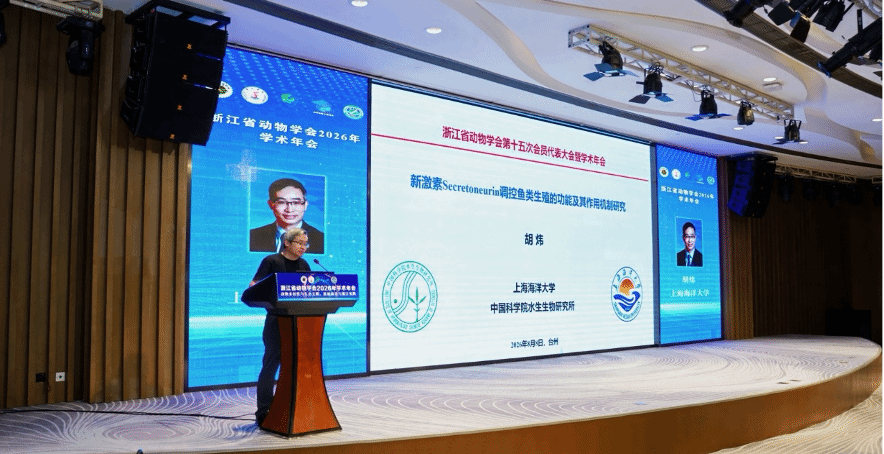
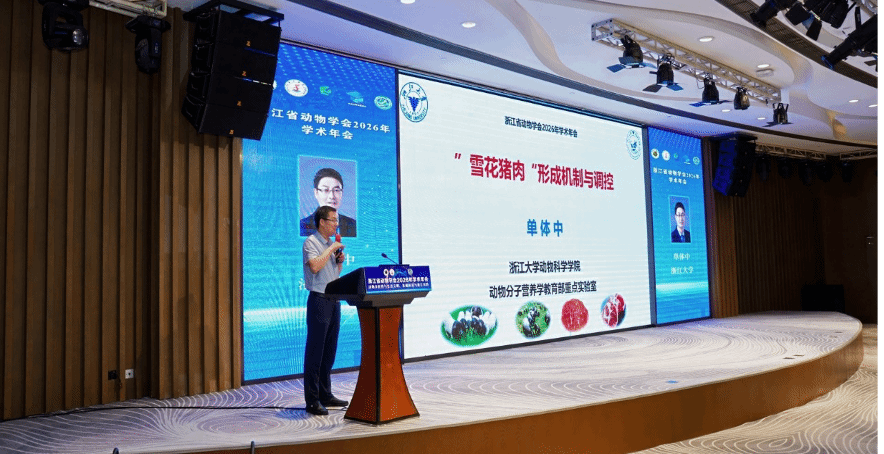
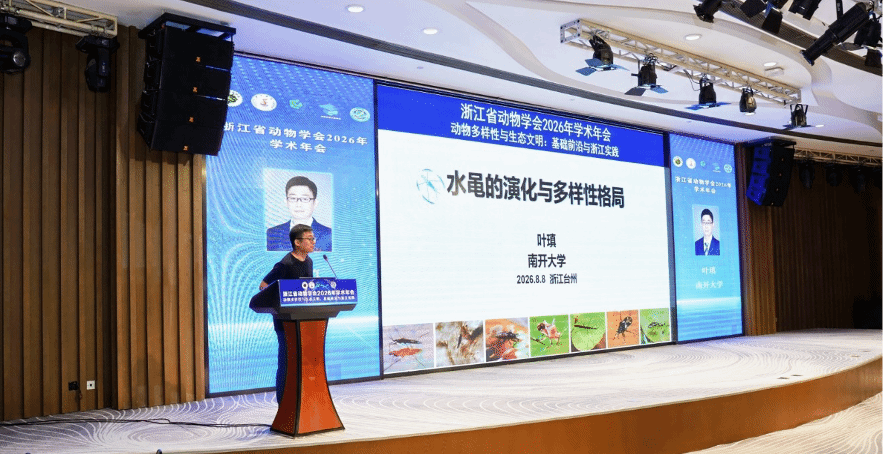
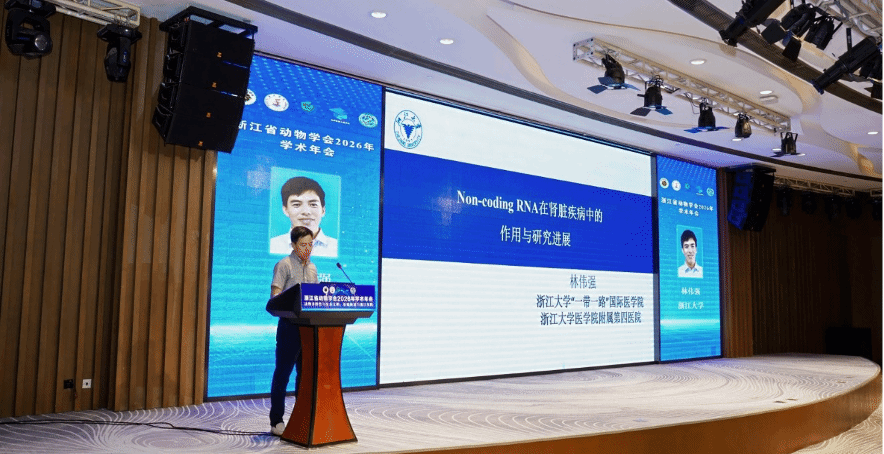
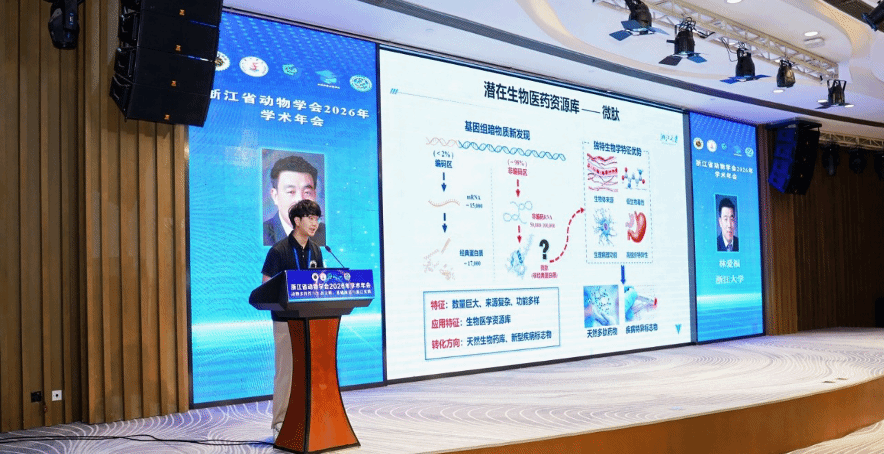
Keynote Speeches
In the afternoon, 48 participants presented their research in four parallel sessions, focusing on frontier directions, research hotspots, and disciplinary development trends in zoology in Zhejiang Province, covering basic theoretical research, applied technology development, and innovation in teaching and education. They engaged in in-depth academic discussions and exchanged research findings, boosting disciplinary development and scientific research innovation in the regional zoology field.
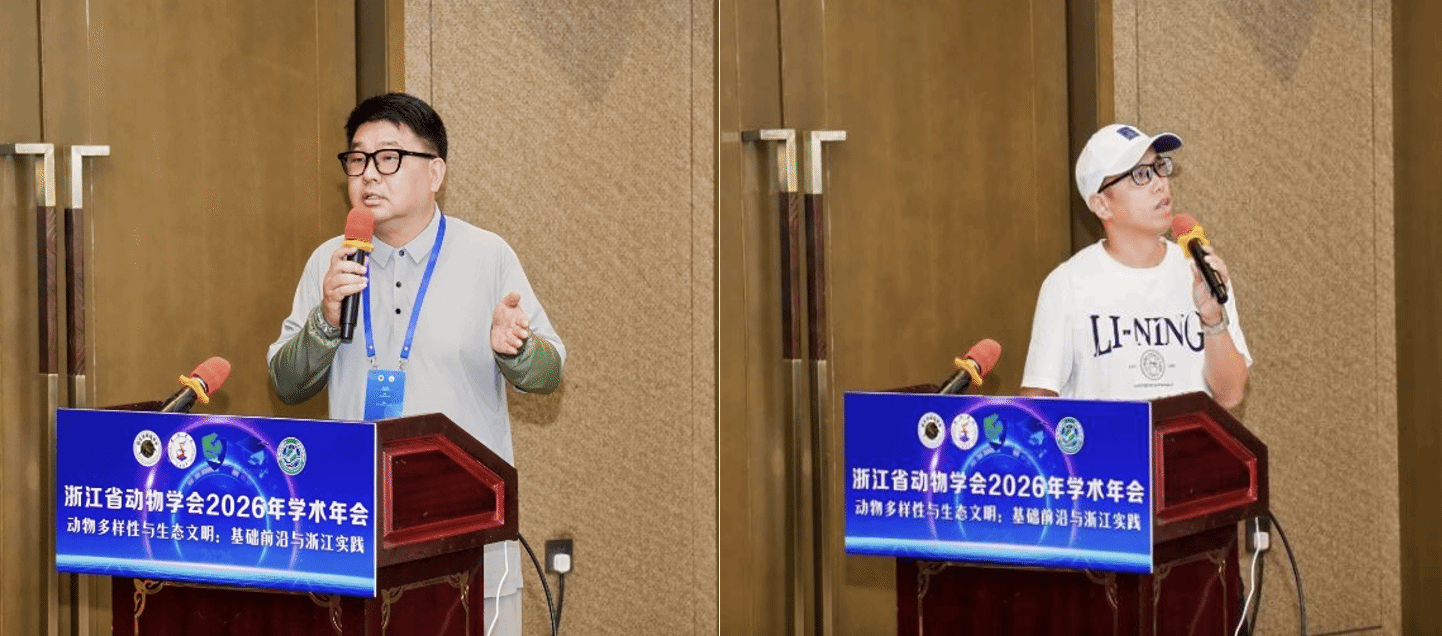
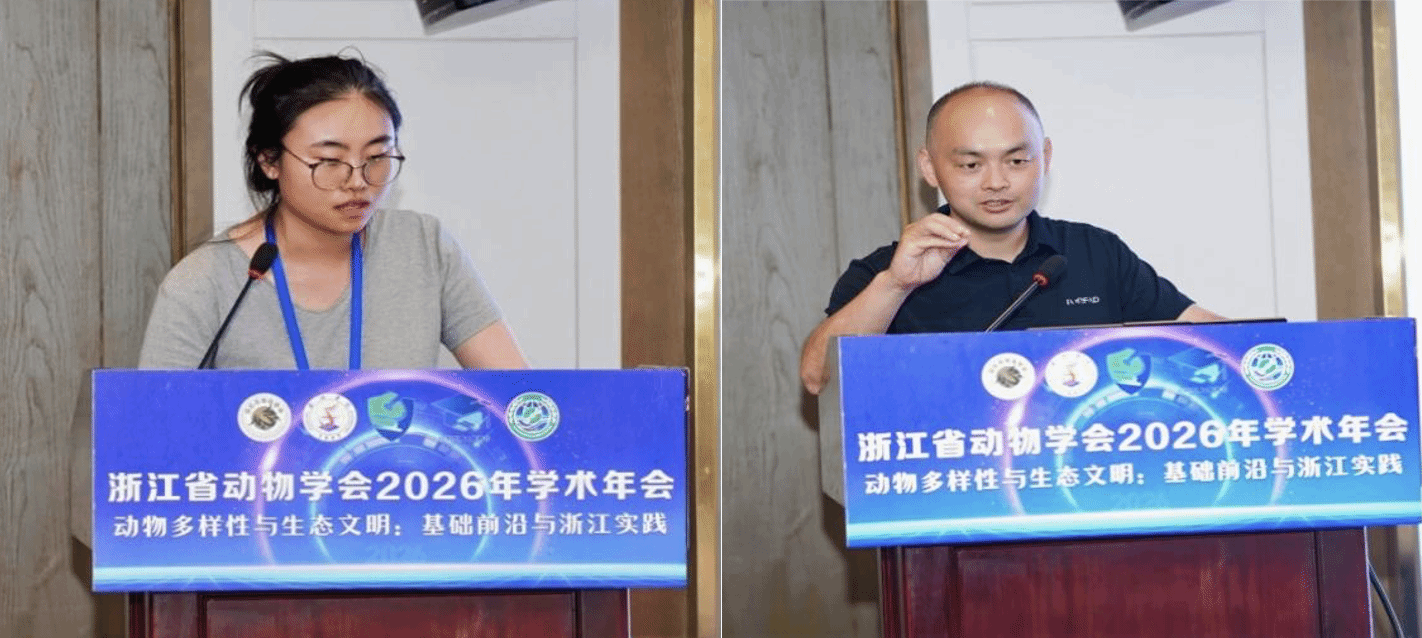
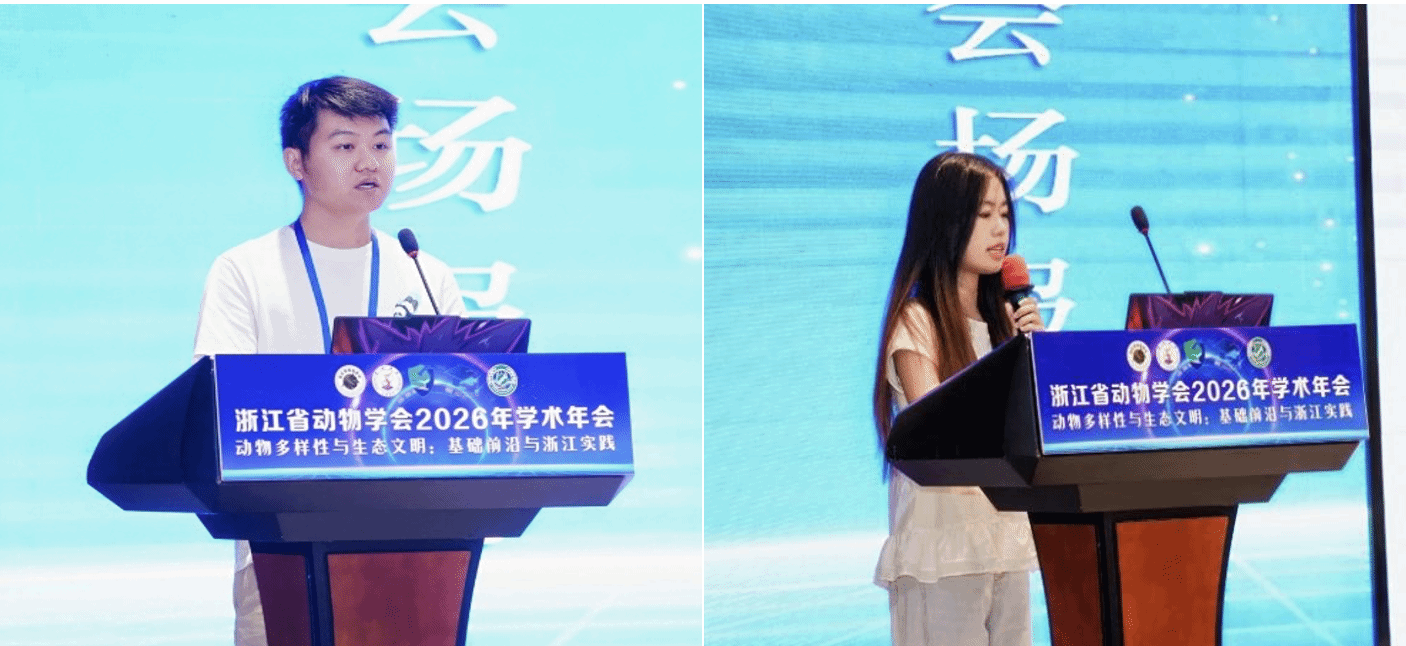
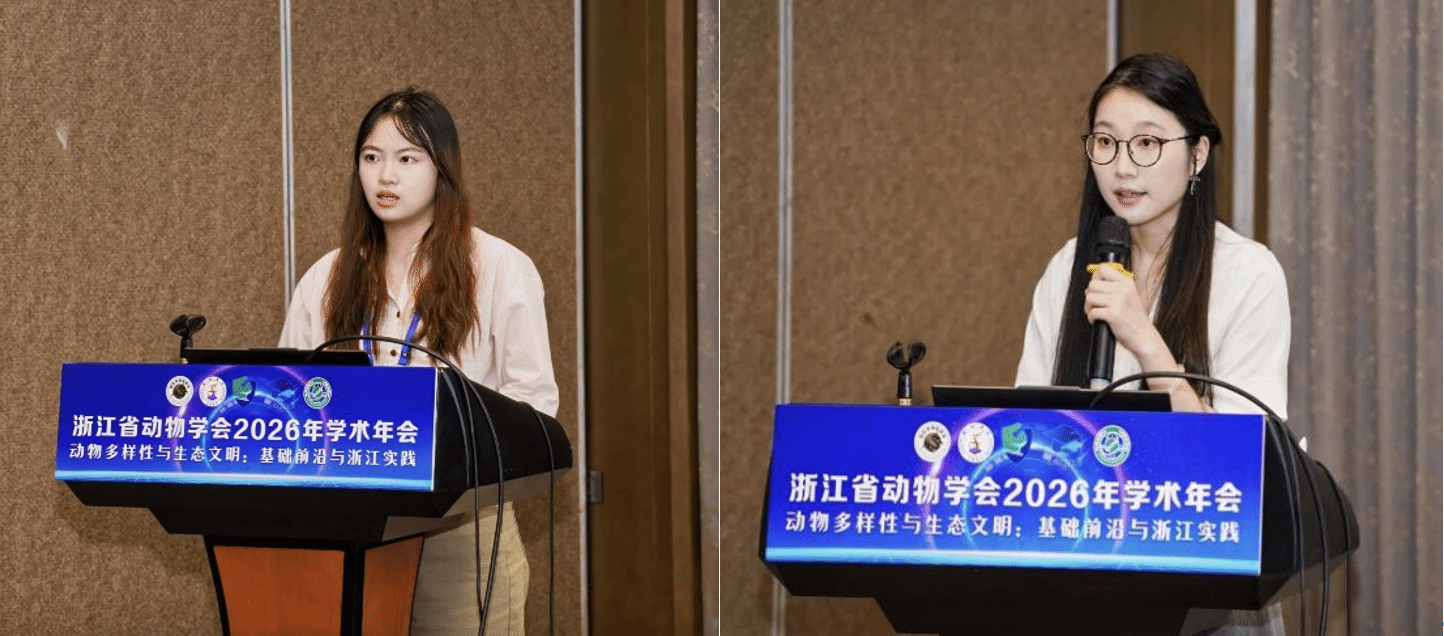
Session Reports
At the closing ceremony, Zhang Yongpu, Vice President of the Zhejiang Zoological Society, delivered the closing address. He spoke highly of the excellent academic presentations and the lively and in-depth discussions at this year’s conference, offered his views on advancing the discipline of zoology and improving its quality and substance, and expressed earnest expectations for the long-term development of the discipline.
This year’s conference focused on disciplinary frontiers and practices in Zhejiang, facilitated the exchange of the latest research findings, and explored new pathways for the integrated development of disciplines. The conference innovatively engaged frontline high school biology teachers and smoothed the channels for turning research findings into public science education, effectively supporting high-quality development in zoology discipline building and in science education and talent cultivation across the province.