On July 10, as the last camper boarded a flight to the United States, the nine-day third session of Taizhou University’s “Doolittle Raid and Hehe Culture” China-U.S. Young Envoys Scholarship (YES) Program came to a successful conclusion. With this, all three sessions of the YES Program hosted by the university drew to a successful close amid the warmth and reluctance of parting in midsummer.
The program actively responded to the national initiative of “50,000 American young people to China for exchanges over five years.” Taking the historic friendship of mutual assistance between the two peoples during the Doolittle Raid 84 years ago as its spiritual bond and “Hehe Culture” as its bridge of exchange, it invited nearly 110 young people from 16 U.S. states, including Maryland, California, and Virginia, to cross the Pacific to Taizhou, embarking on a cultural journey blending historical memory and youthful friendship.
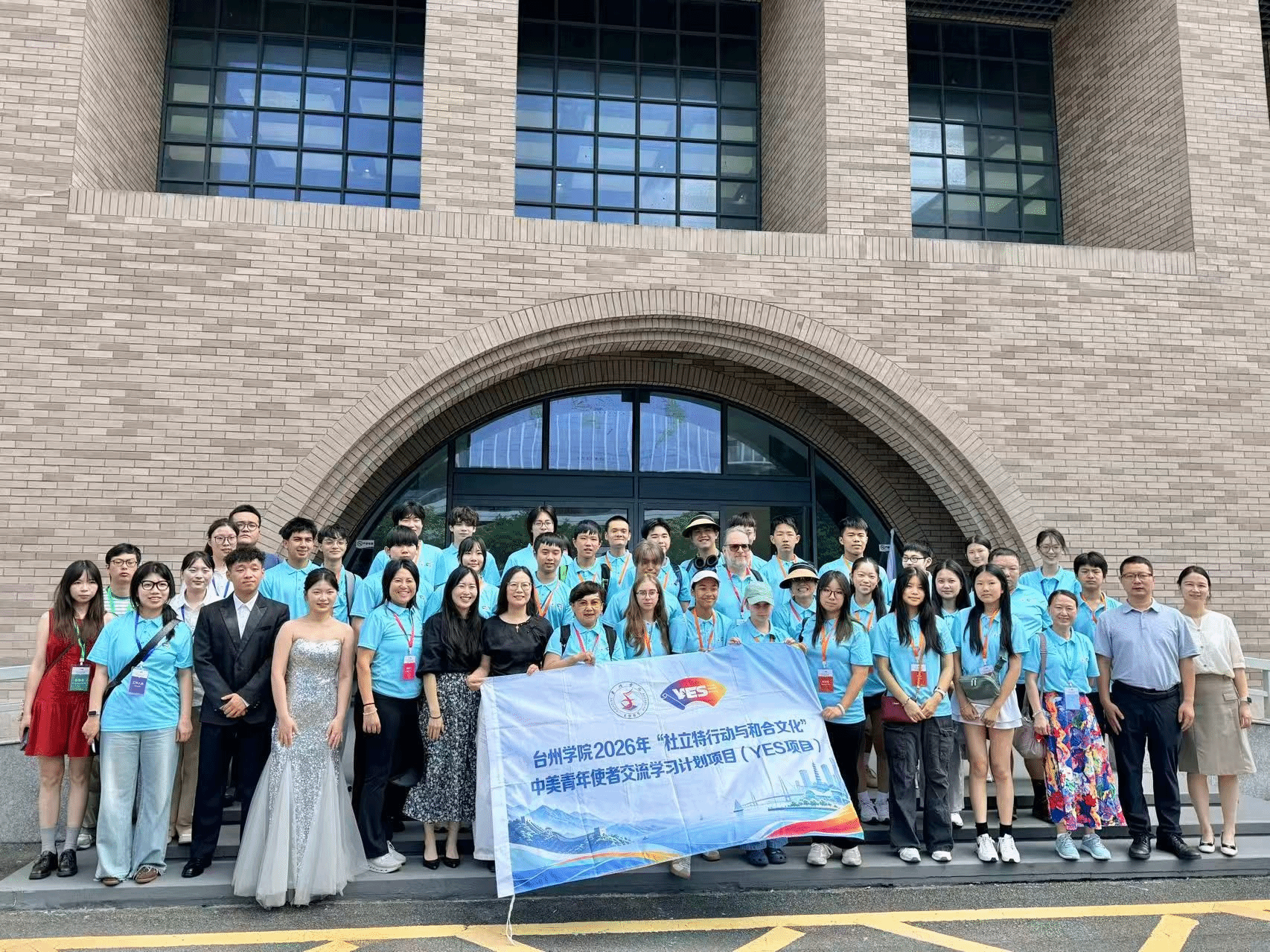
Group Photo of Campers
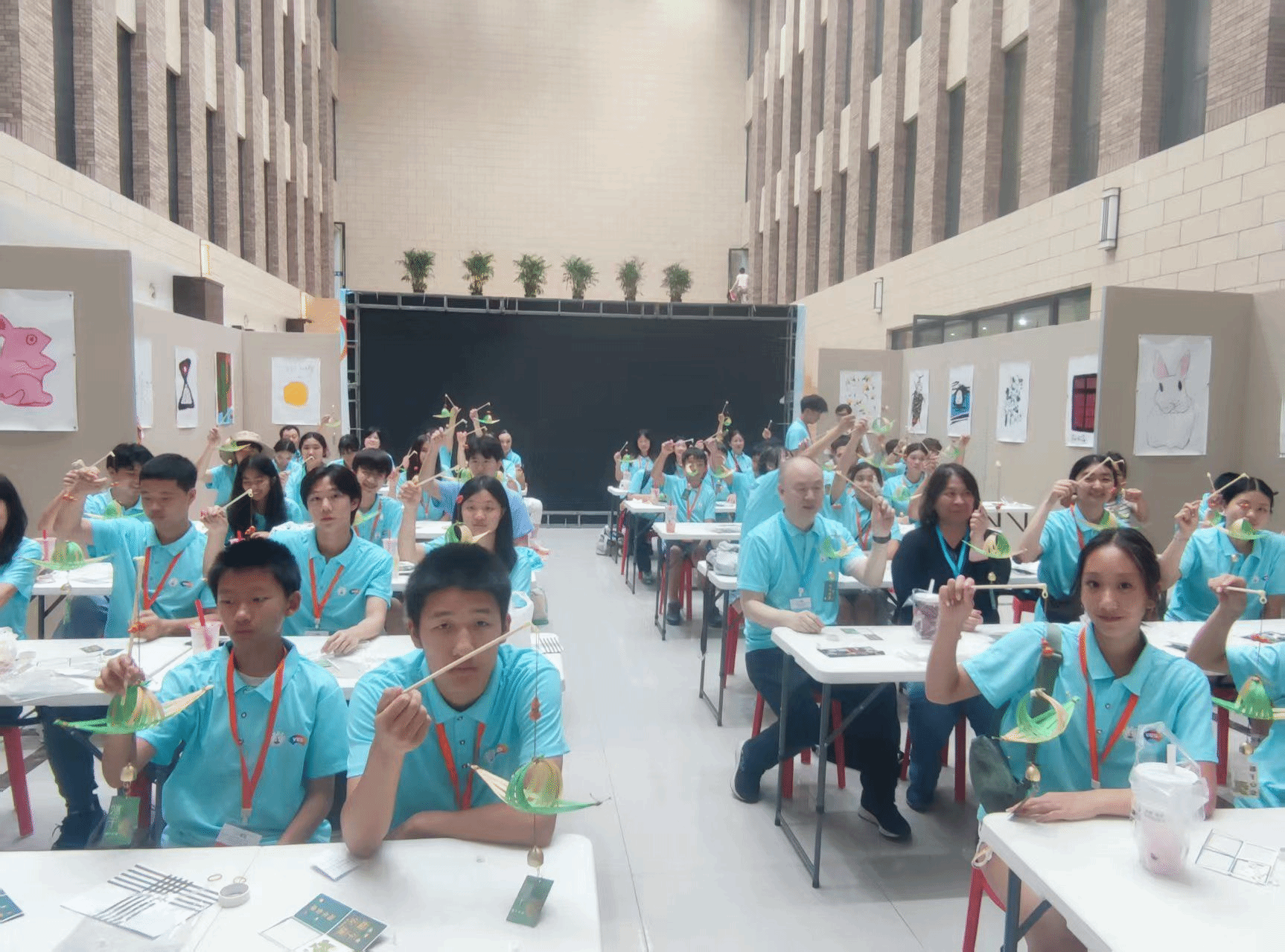
Dragon Boat Festival Craft Activity
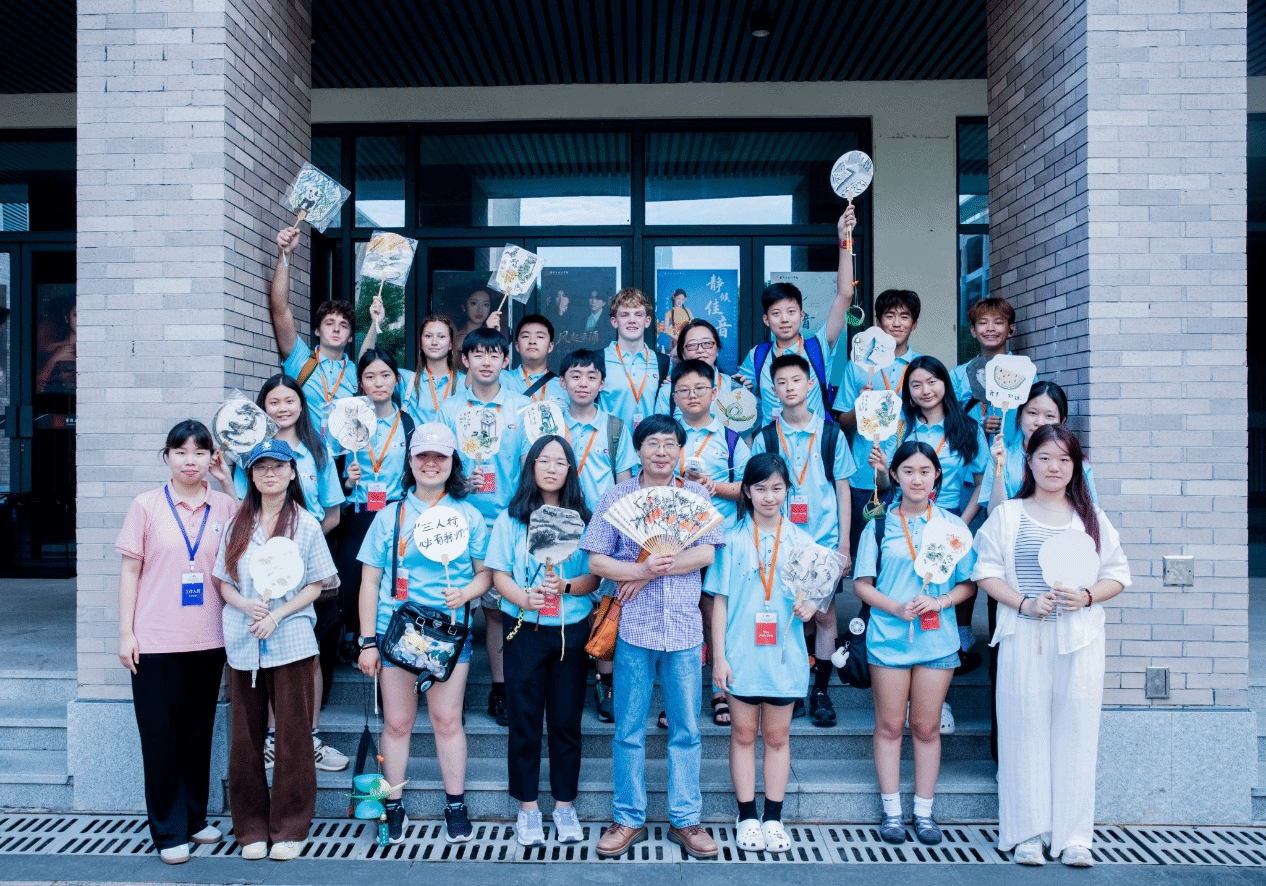
Round Fan Making at the School of Art and Design
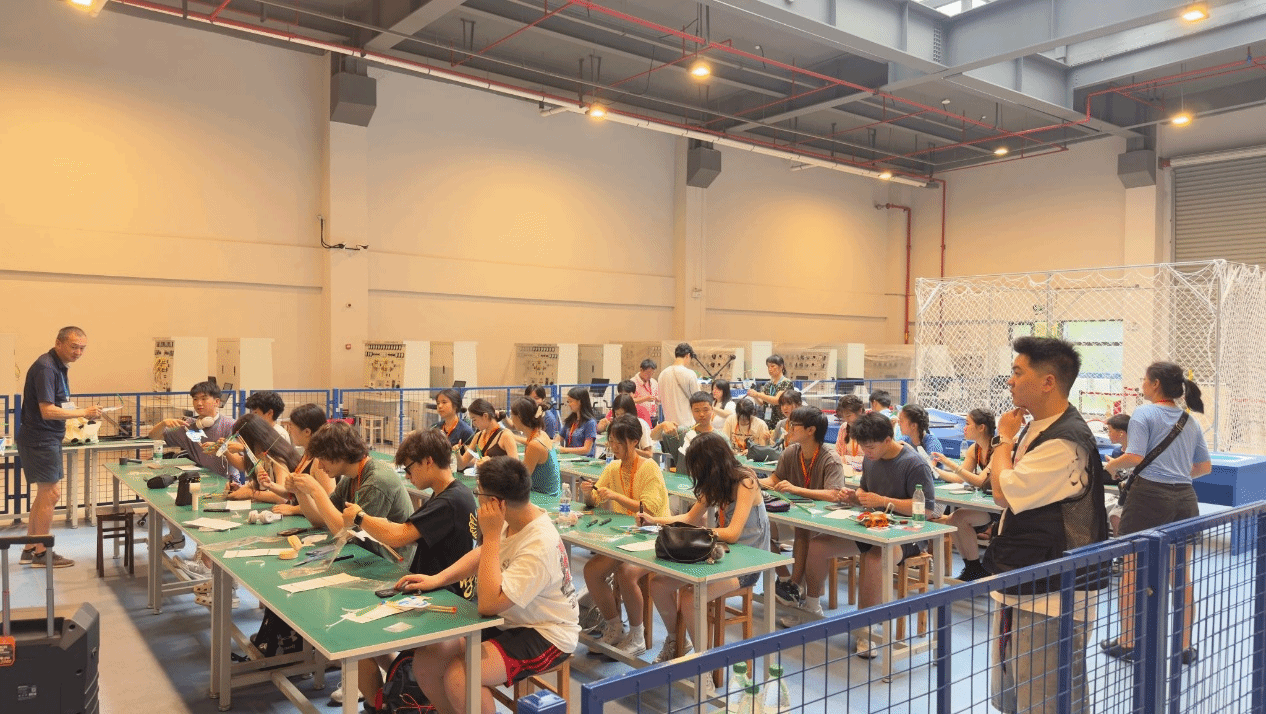
Drone Handicraft Activity with School of Intelligent Manufacturing Members
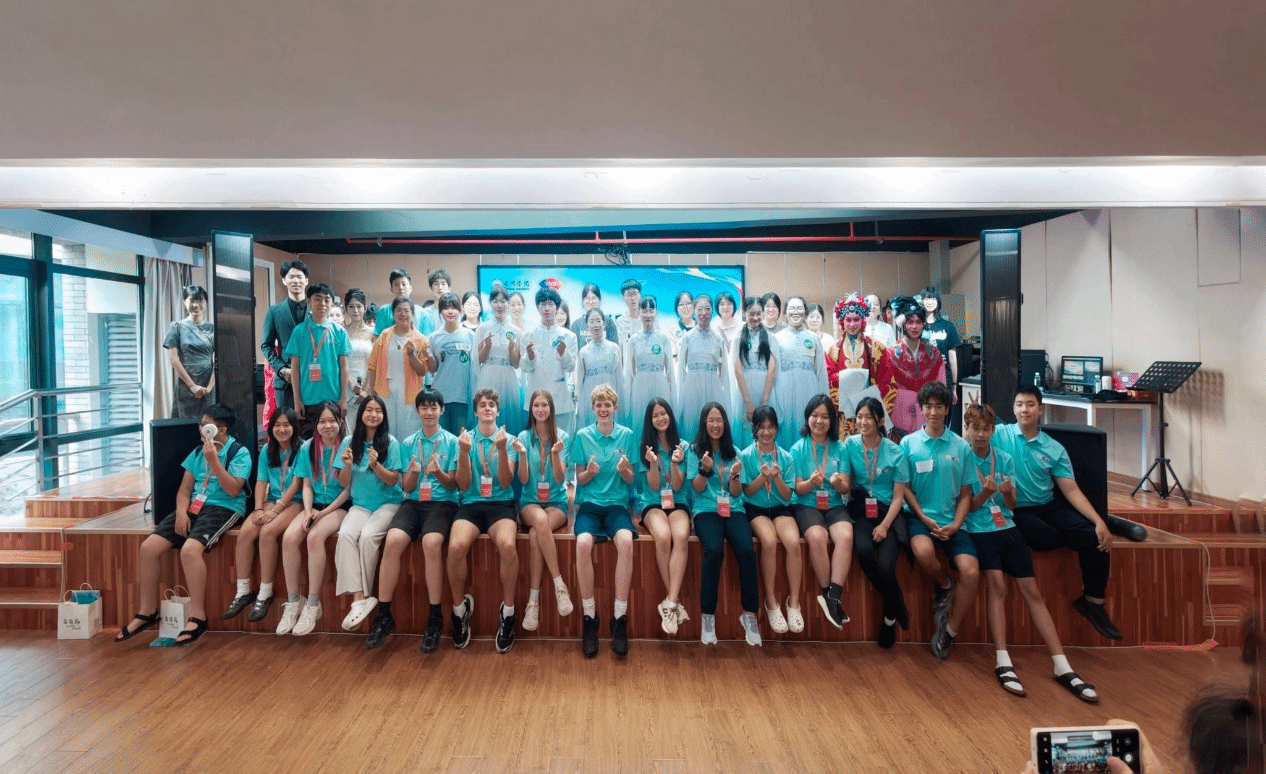
Group Photo of the China-U.S. Exchange Activity
Starting from the opening camp at TU, through visits to the landscapes, science and technology, and culture of Jiaojiang, Linhai, Xianju, and Tiantai, and then to modern urban experiences in Hangzhou and Shanghai, the campers’ footprints spanned both Zhejiang and Shanghai. On the campus of TU, they not only took part in Dragon Boat Festival handicraft making, round fan painting, and “shibingtong” making (a local traditional food), gaining a hands-on appreciation of the charm of traditional Chinese culture, but also visited the School of Intelligent Manufacturing, where they experienced the vigorous momentum of China’s scientific and technological innovation through drone activities and competitions. Furthermore, during the China-U.S. exchange activities, young people from both countries gathered together, using folk music, traditional opera, interactive games, and creative collaboration as vehicles to forge cross-border friendships through two-way experiences.
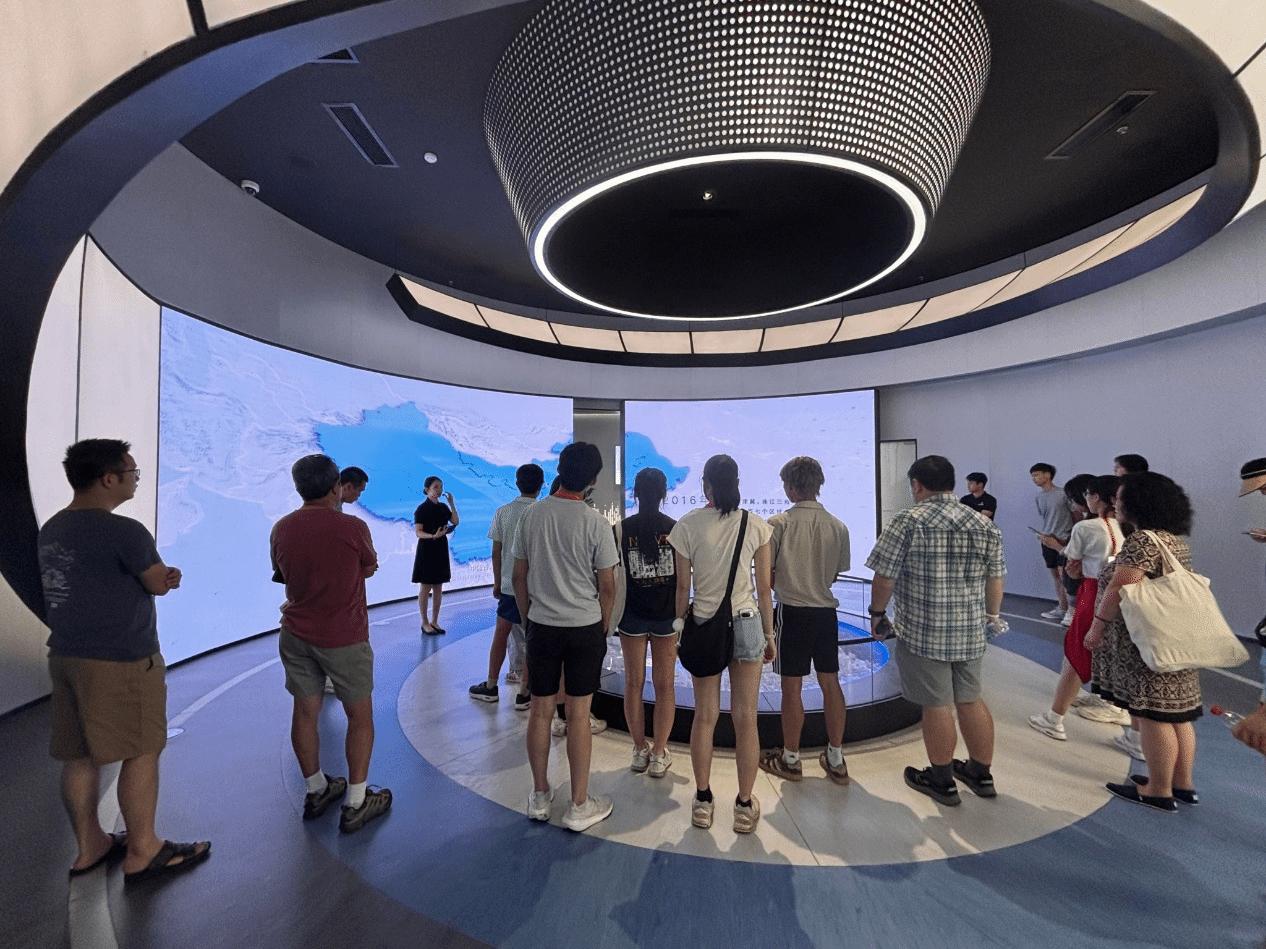
Visiting the Taizhou City Brain Operation Center (Digital Hall)
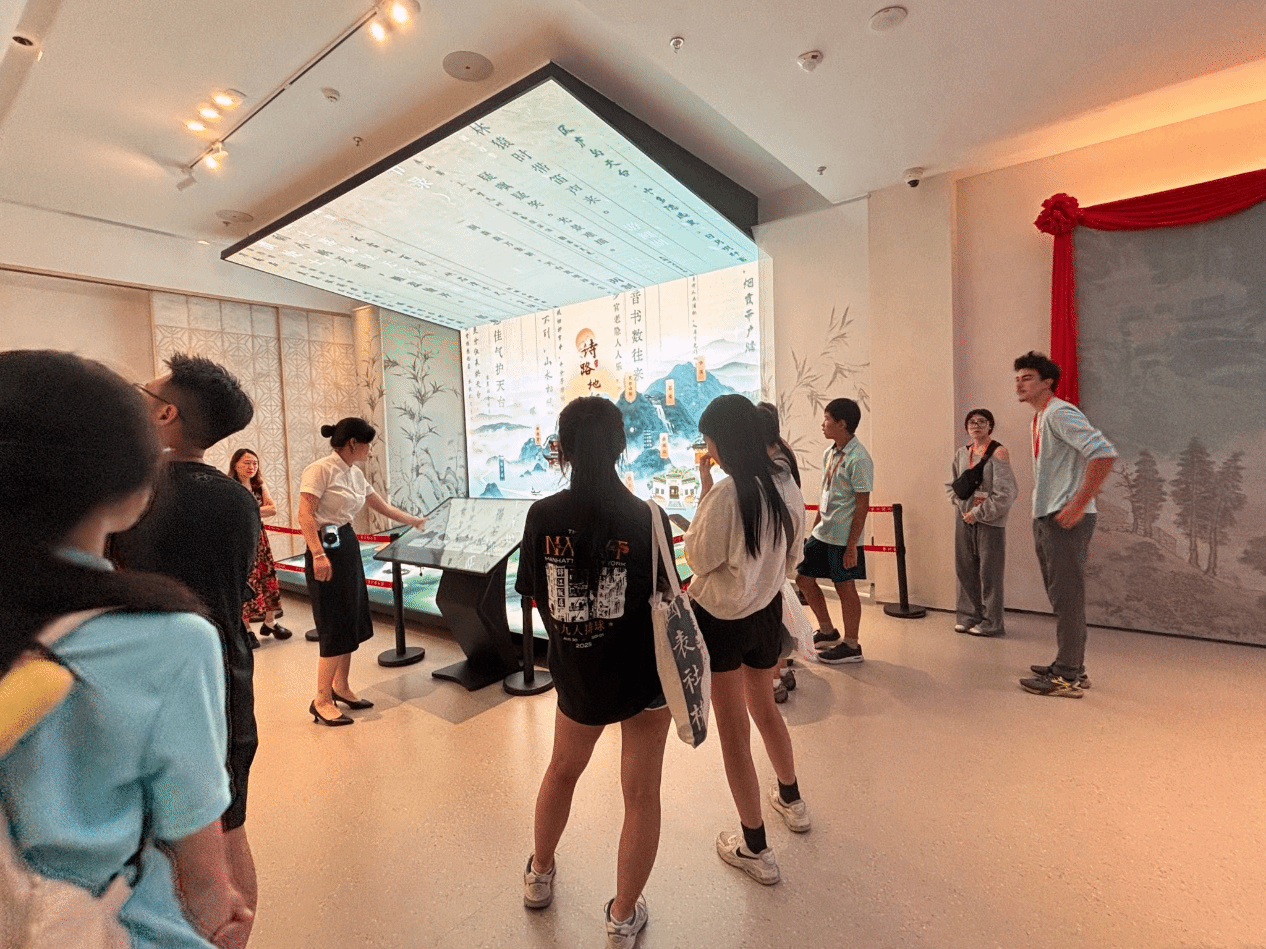
Visiting the Taizhou Museum
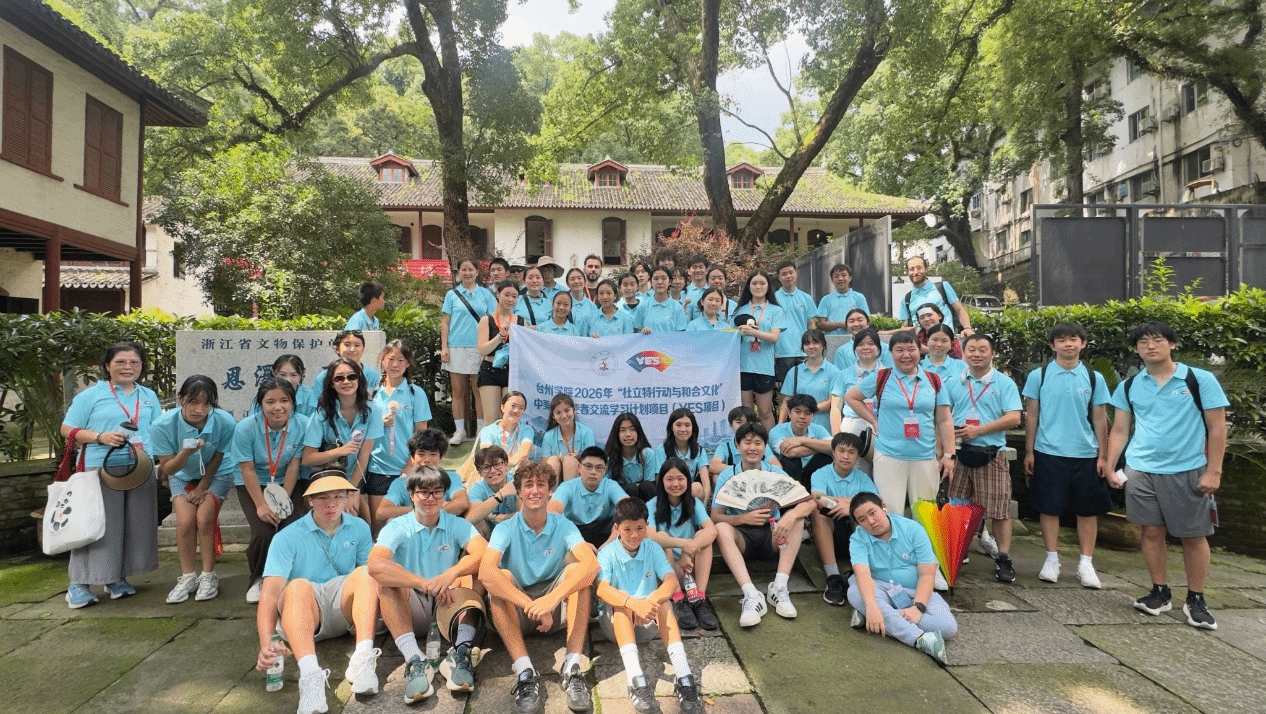
Visiting the Former Site of Enze Medical Bureau
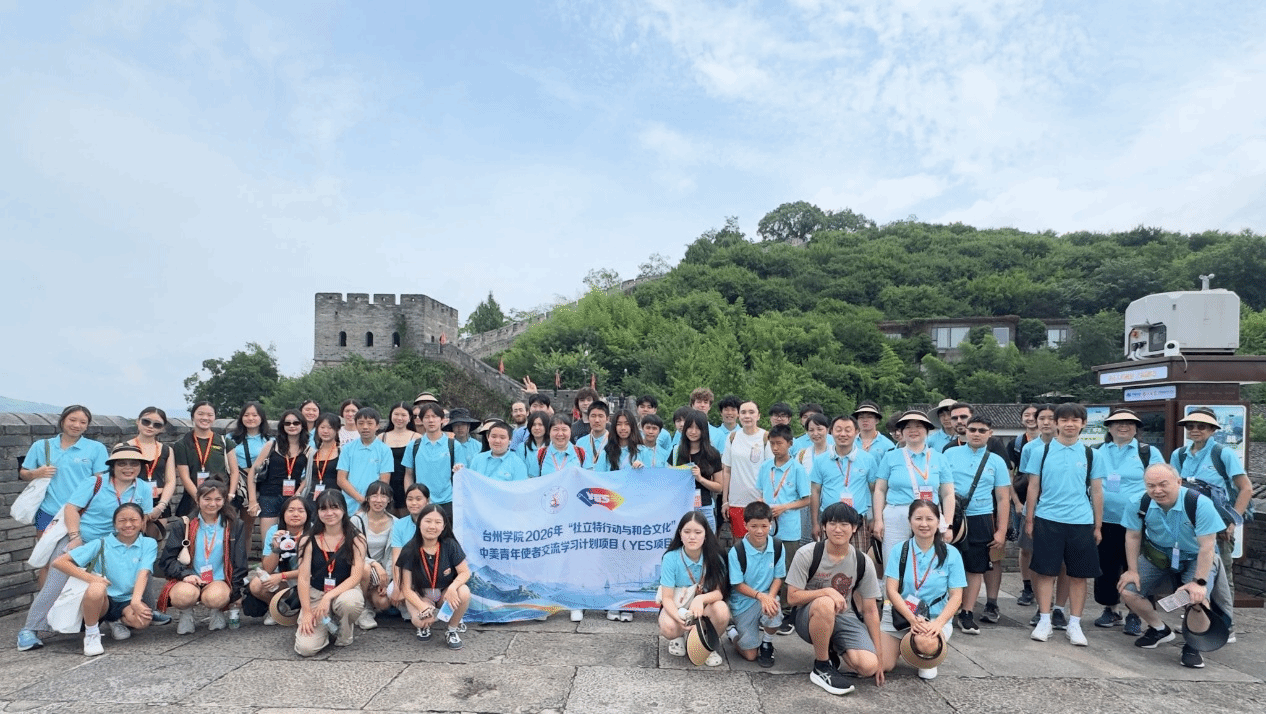
Visiting the Jiangnan Great Wall
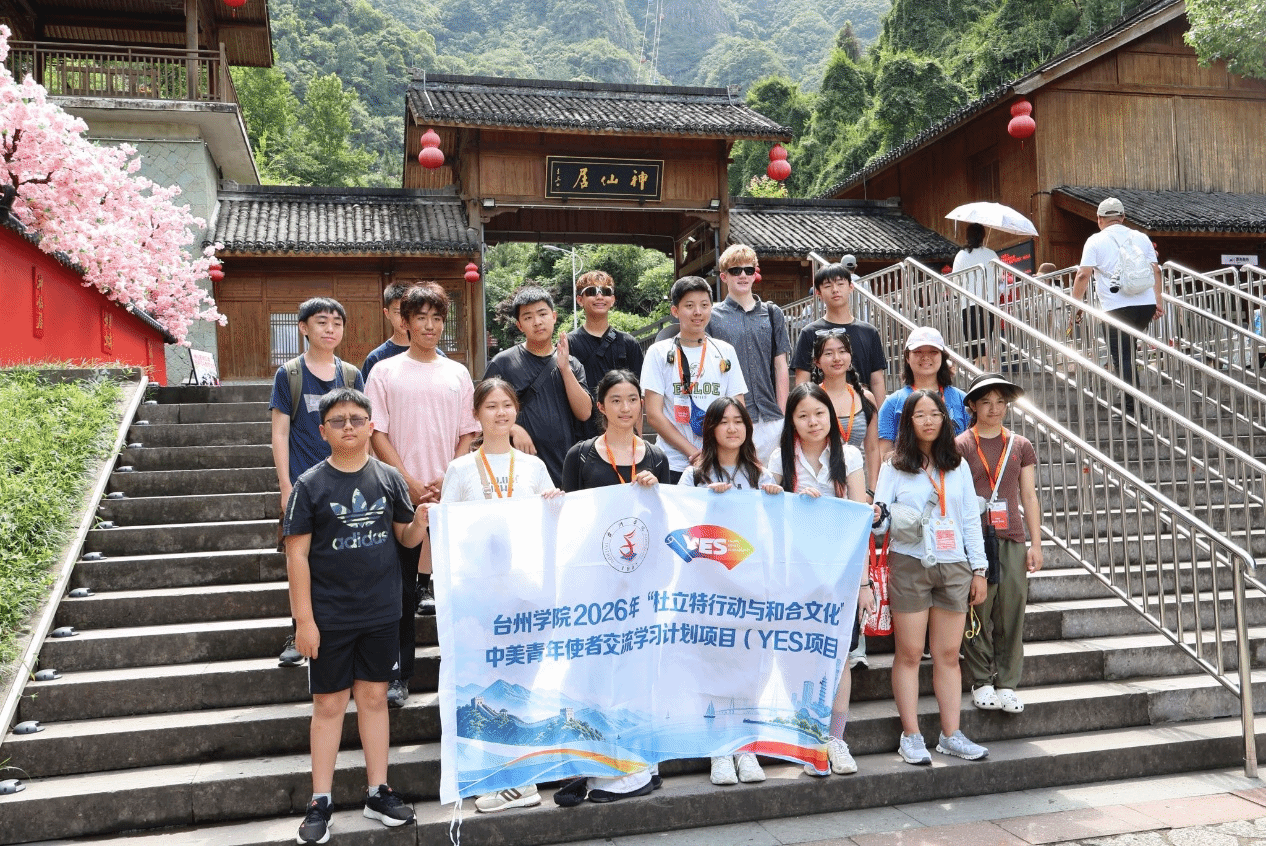
Visiting Shenxianju Scenic Area
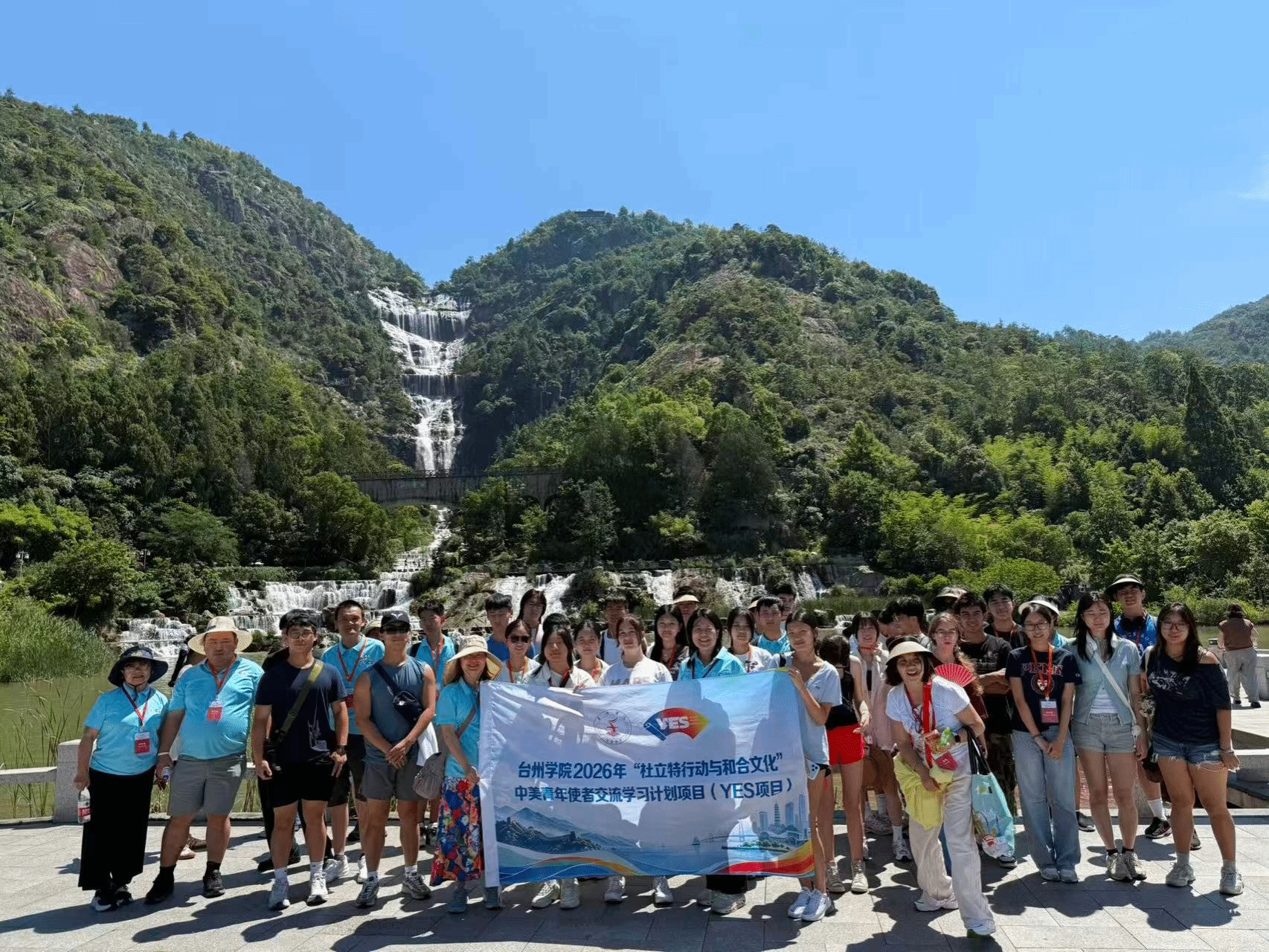
Group Photo at Tiantai Waterfall
During their stay in Taizhou, the campers first visited the Taizhou Museum and the “City Brain” Operation Center, experiencing the pulse of the city through the interweaving of history and technology. They stepped into the former site of the Enze Medical Bureau in Linhai, touching a chapter of friendship written with courage and kindness; climbed the ancient Jiangnan Great Wall and strolled along Ziyang Ancient Street, savoring the weight of history amid the lingering charm of the Song Dynasty. In the embrace of nature, they explored the peculiar peaks and fantastic rocks of Shenxianju, looked up at the cascading Tiantai Mountain Grand Waterfall, and visited Guoqing Temple, an ancient temple of the Sui Dynasty, appreciating the Hehe wisdom of “unity of heaven and humanity” amid the mountains and waters.
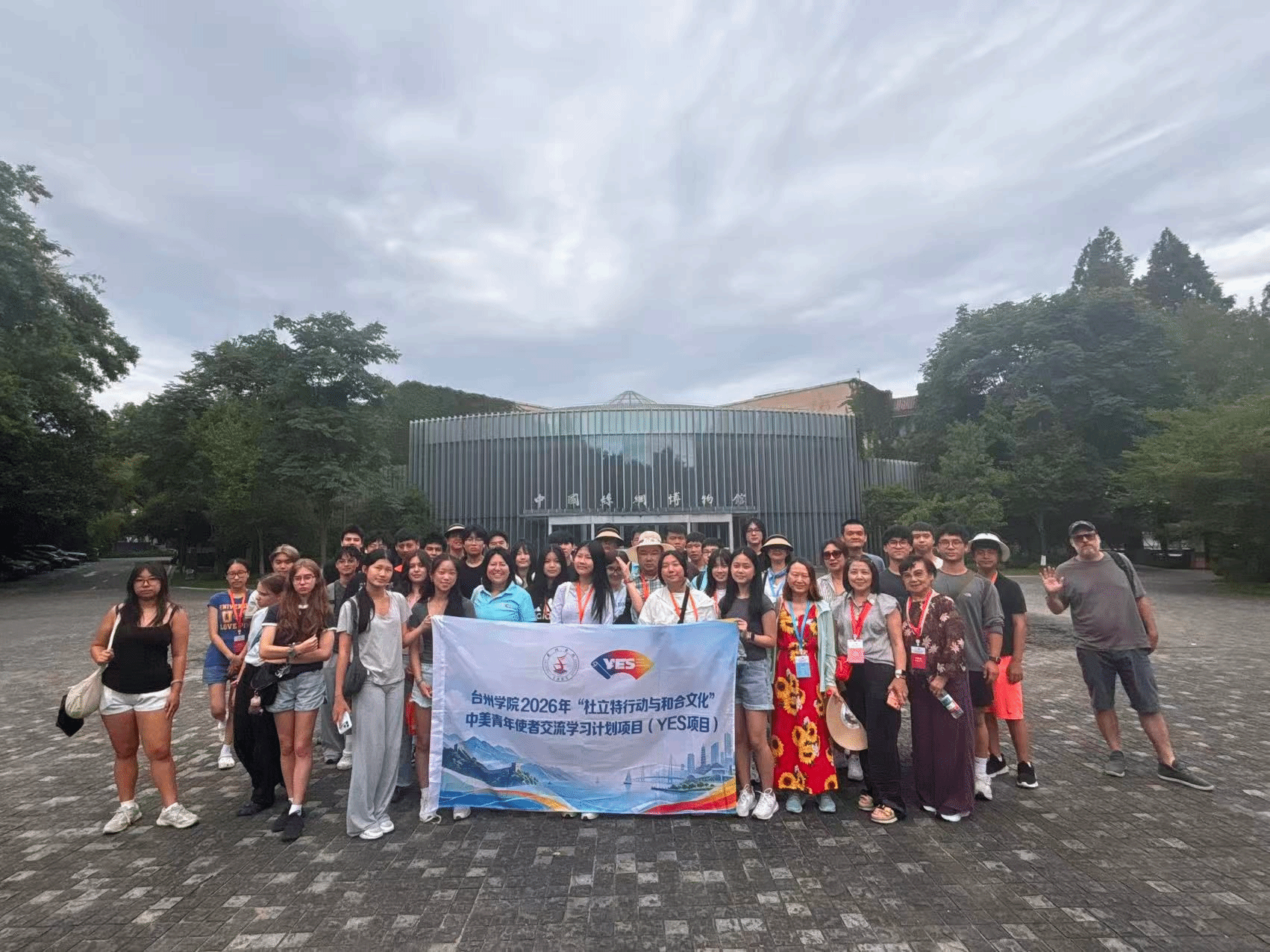
Visiting the China National Silk Museum in Hangzhou
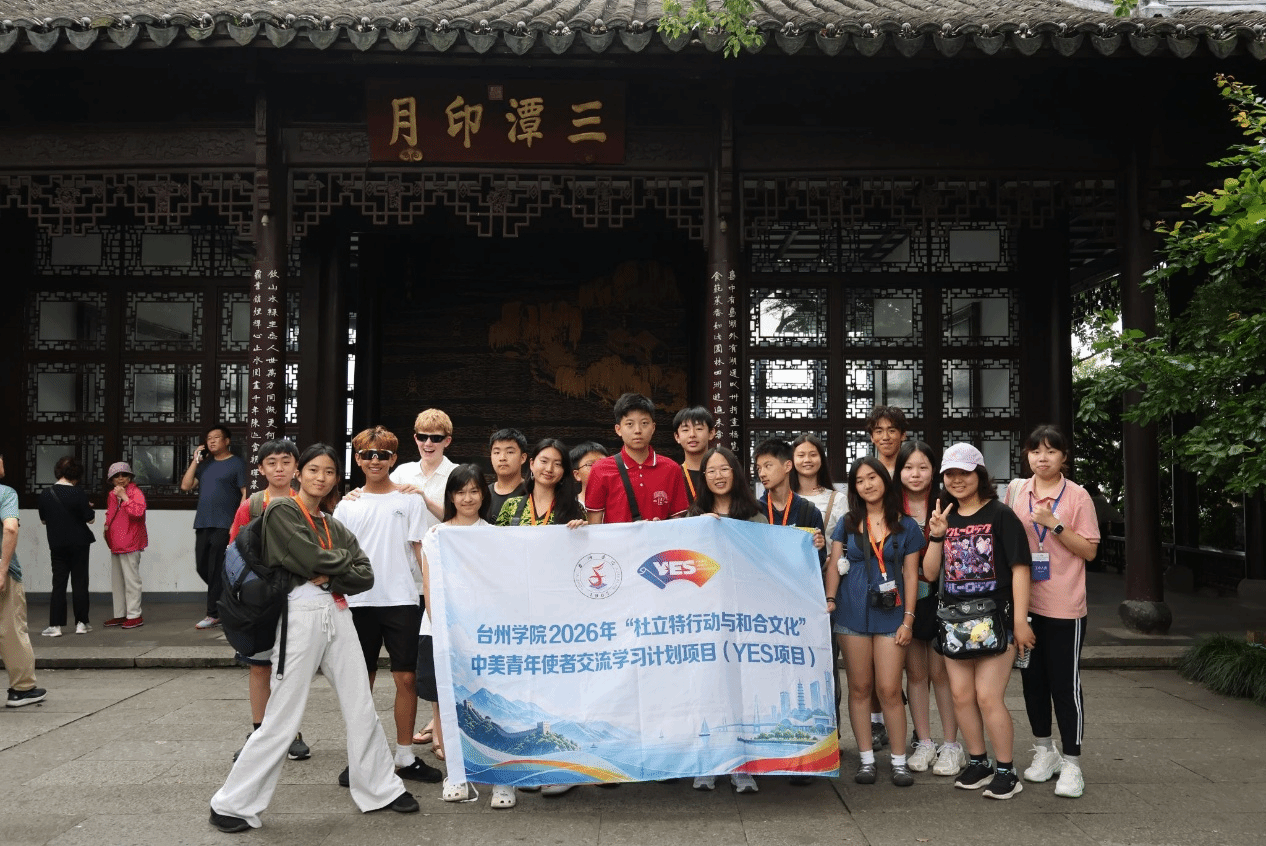
Group Photo at Three Pools Mirroring the Moon, Hangzhou
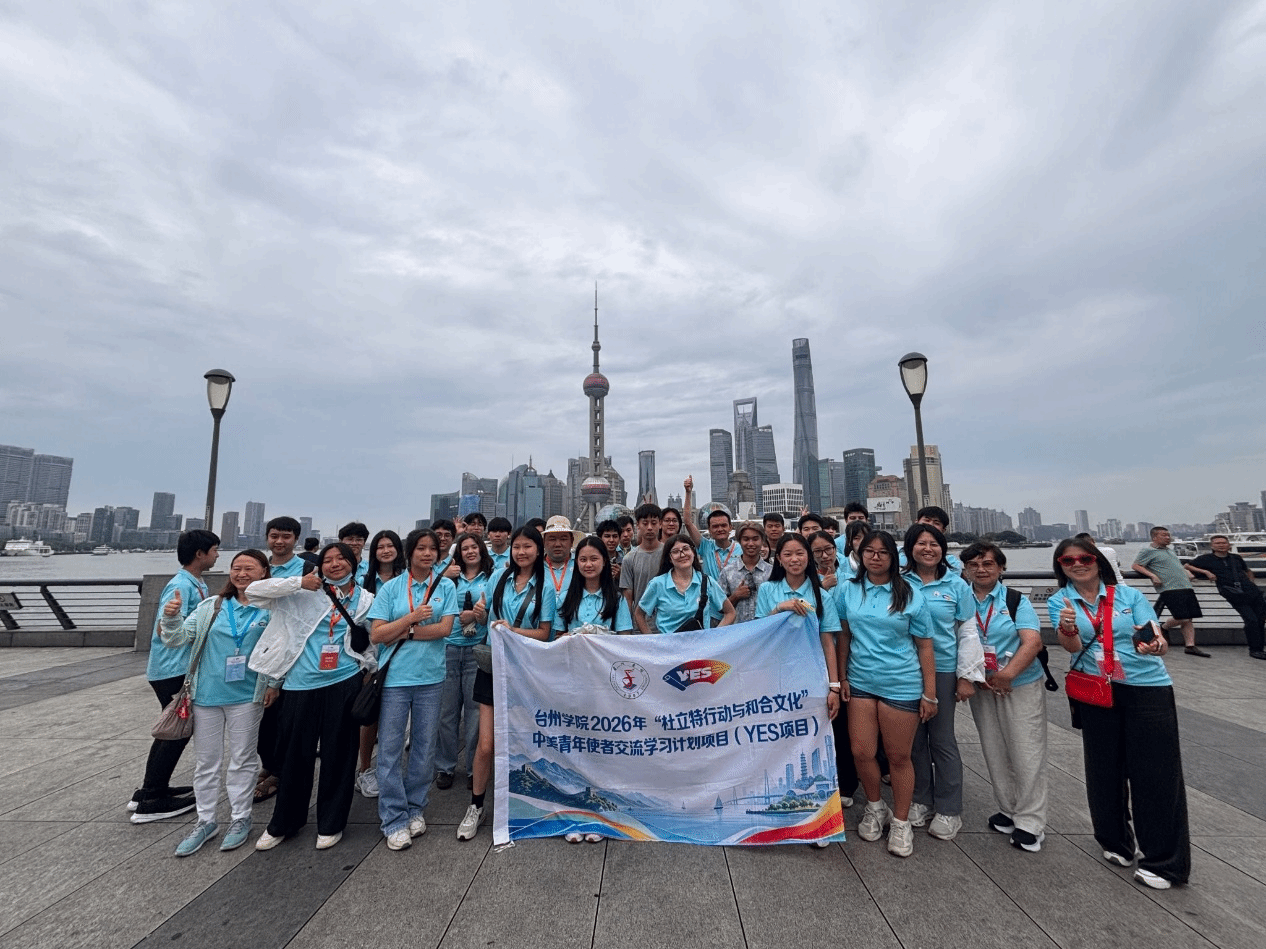
Group Photo at the Oriental Pearl Tower in Shanghai
From historical sites to modern cities, from traditional handicrafts to cutting-edge technology, and from campus classrooms to natural landscapes, the campers gained a sense of a real, three-dimensional, and comprehensive China through these rich experiences. American teenager Liam Stecher was deeply moved by the history of the Enze Medical Bureau. He said that touching the old historic walls instantly transported him back to the scenes of that time, and that he sincerely admired the kindness and courage of the Chinese people that transcended national borders, adding that he was deeply awed and moved. While visiting the Tiantai Grand Waterfall, high school student Joshua Burden praised Taizhou for its beautiful scenery and tempting cuisine, saying the program was a great opportunity for him to learn about Chinese culture, and he highly recommended the city to his friends abroad. James Luo was particularly impressed by the old-world atmosphere of Guoqing Temple, where nature and history meet. He believed that Taizhou is a charming city that combines modern conveniences with beautiful scenery and profound cultural heritage.
The YES Program was not only a grand event of cultural exchange but also a two-way journey of youth and friendship. From the initial reserve of first encounters to the reluctance of parting, Chinese and American youth forged genuine friendship through equal dialogue and in-depth interaction. The program not only enabled American youth to see a real, multidimensional, and comprehensive China, but also allowed the seeds of “Hehe” to take root and sprout in the hearts of young people in both countries. Although this youth rendezvous across mountains and seas has temporarily come to an end, the torch of people-to-people friendship between China and the United States will surely be passed down from generation to generation.
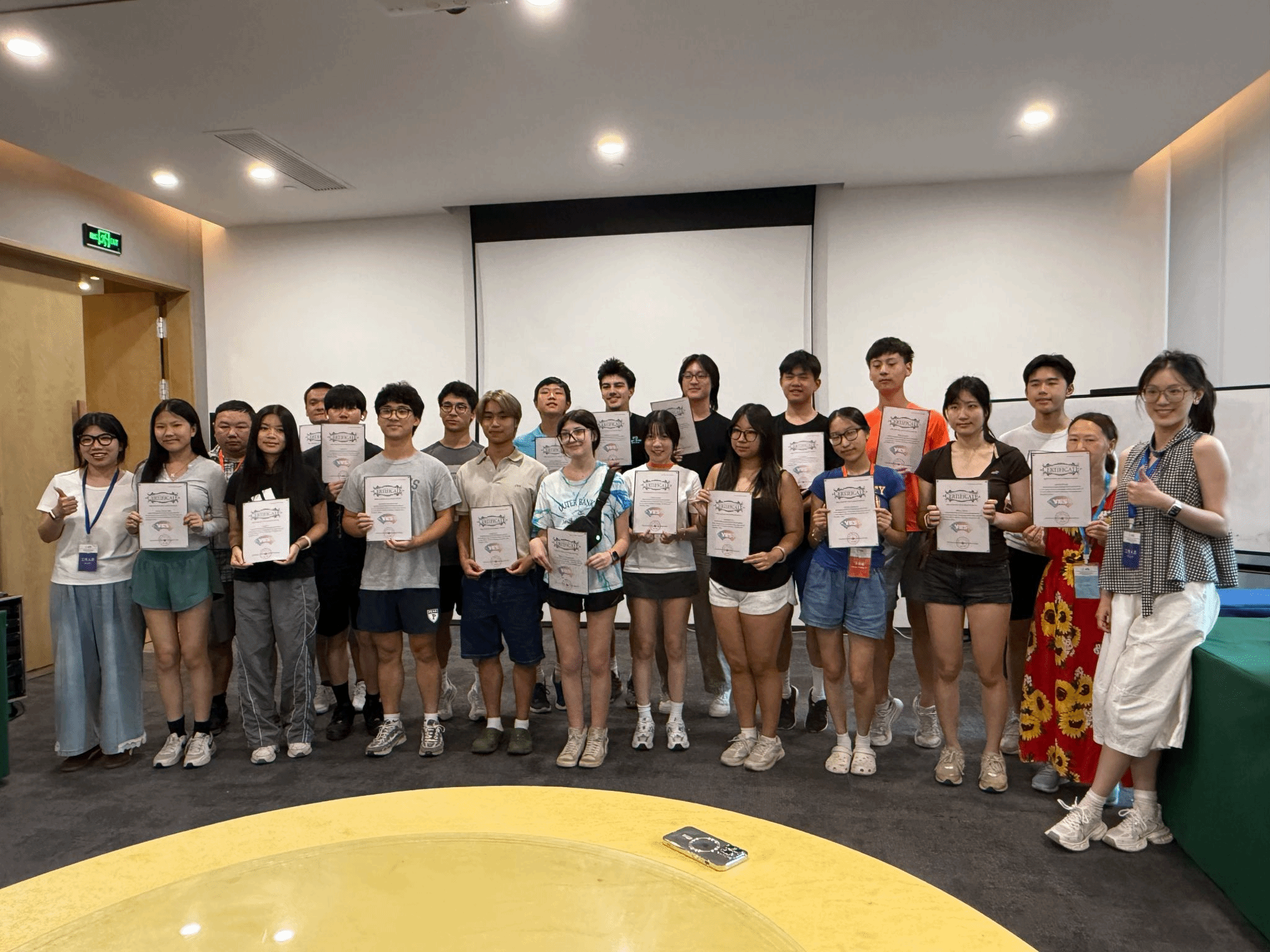
Presenting Certificates of Completion